


The food packaging sector in Malaysia is evolving rapidly. Amid all the rising environmental noise and increasing consumer awareness, companies nationwide are adopting eco friendly food packaging solutions. This all-inclusive guide dives into the world of green food packaging, with an emphasis on biodegradable food packaging products that are changing the landscape of the food service industry in Malaysia.
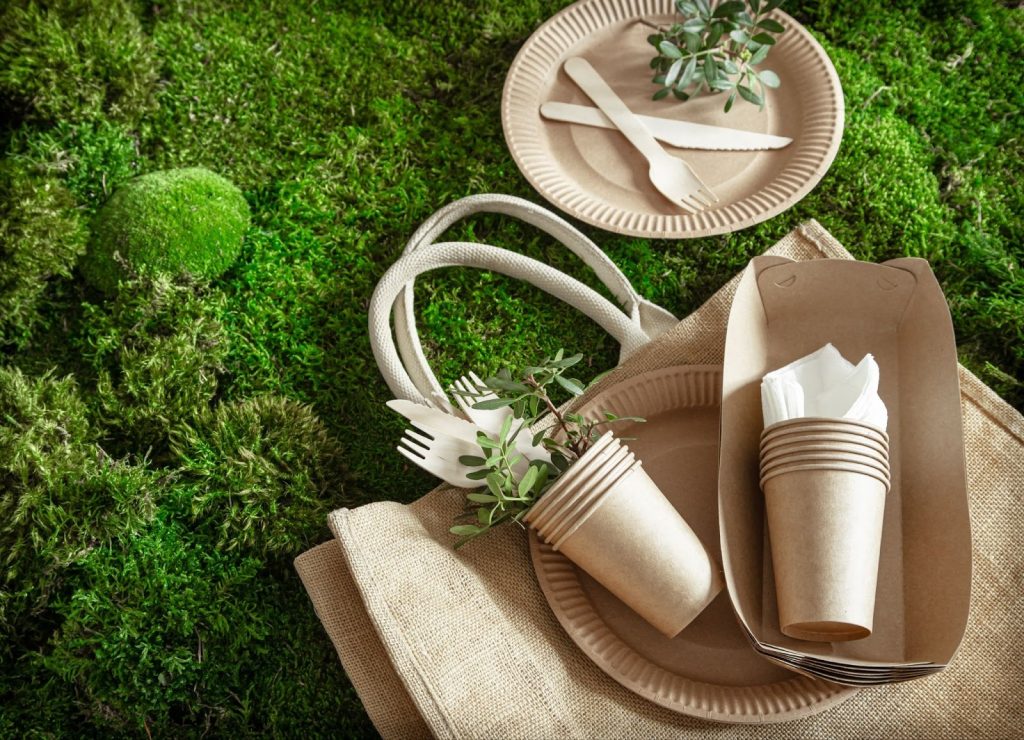
Understanding the Malaysian Context: Why Sustainable Packaging Matters Now
Malaysia has a huge problem of plastic waste that needs to be dealt with now. Malaysia is now one of the top 10 countries that leak mismanaged plastic waste into the ocean, estimated at 73,098 metric tonnes each year, demonstrating the urgent need for sustainable solutions.
Malaysia’s sustainable foodservice packaging market will grow from a valuation of USD 12.6 billion in 2025 to USD 23.4 billion by 2031, indicating decisive growth prospects for companies adoption. This growth is in line with the trends for environmentally friendly food packaging.
What is Eco Friendly Food Packaging?
Eco friendly food packaging refers to materials and designs that minimize environmental impact. Eco friendly food packaging is made from renewable materials, has a lower carbon footprint in the production process, and considers the end of life in compostable or recyclable options.
The defining features of green packaging for food are:
- Sourcing of renewable materials: Utilising plant-based or fast-renewing materials
- Lower carbon footprint: Lower emissions no matter manufacturing or transportation
- Compostability/ Recyclability: Return to the environment or re-enter the production cycle
- Waste reduction: Efficient design that eliminates unnecessary materials
The Rise of Biodegradable Food Packaging
Biodegradable food packaging is one of the solutions in the sustainable packaging. But what is it that defines truly biodegradable packaging? The word “biodegradable” has sometimes been interpreted too freely, causing a bit of confusion between consumers and businesses.
Truly biodegradable food packaging has to fulfill certain requirements. It needs to break down naturally through biological processes within a certain period of time (usually in a composting environment). The easiest way to identify authentic biodegradable food packaging is to look for certified compostable products that conform with the likes of ASTM D6400 or EN 13432 international standards.
General Types of Biodegradable Food Packaging Materials
Sugarcane bagasse is a popular material for biodegradable food packaging in Malaysia. This agricultural byproduct—what remains after juice extraction from sugarcane—is made into robust lunch boxes and clamshell packaging. These heat-resistant biodegradable food packaging solutions are great.
PLA (Polylactic Acid) Products
Biodegradable food packaging made of PLA is made from fermented plant starch like corn or sugarcane. This solution offers transparency similar to traditional plastics and can be composted in industrial environments. PLA also performs well in cold food, salad containers, and beverage cups, making it a versatile choice for eco friendly food packaging.
However, PLA requires certain temperature and humidity levels to be decomposed by microorganisms, so it generally needs to be handled at an industrial composting facility to disintegrate.
纤维素薄膜
A high-performance, plant-based alternative to plastic. Derived from organic wood pulp, this biodegradable food packaging offers the crystal-clear visibility and durability as plastic but with a renewable footprint.
纸张
The cornerstone of environmentally friendly food packaging. Being the most versatile material in the field, it is perfect for branding and can be adapted to suit the shape and size of just about any product range.
牛皮纸与瓦楞纸
Kraft and corrugated boards provide structural strength compared to standard paper. The multi-layered construction not only cushions food, but also offers enhanced thermal resistance for products such as pizza and cake.
木材与竹材
The true plastic-free alternative. As wood and bamboo are harvested from renewable resources, they are key components in making biodegradable food packaging products. They are also unbelievably hard and heat resistant, which is why they are the materials of choice for cutlery and utensils – they deliver a solid, splinter-free dining experience that plastic simply can’t compete with.
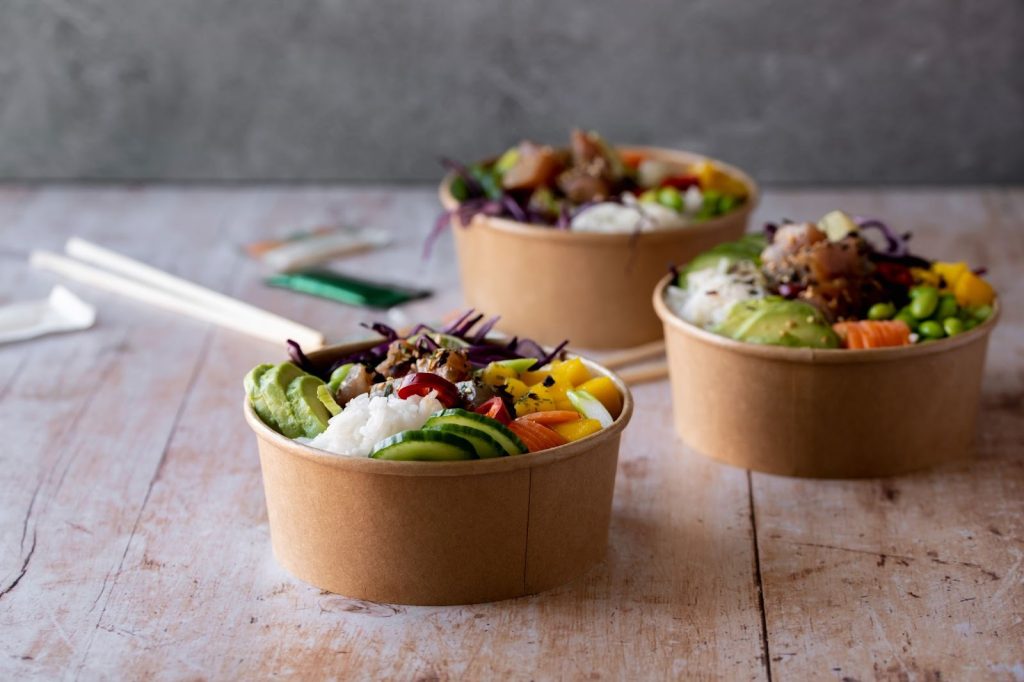
Environmentally Friendly Food Packaging: Beyond Biodegradability
Environmentally friendly food packaging is more than just materials — it’s about rethinking the packaging lifecycle from production to disposal.
Eco friendly food packaging involves a whole range of solutions — from recycled paper and cardboard to aluminium, glass, and mono-material designs with a promise of easy recyclability. FSC-certified paperboard and the infinitely recyclable material of aluminium or glass used as a container can meet the strength and barrier requirements that food safety demands.
Malaysia’s packaging market is on a steady upward trajectory, expected to reach 23.7 billion units by 2028 — up from 20.8 billion in 2023 — driven in large part by the rising demand for sustainable paper-based formats.
Biodegradable food packaging may tend to dominate the conversation when it comes to what’s sustainable, but truly circular solutions also include recycled-content packaging and reusable containers that reduce waste at the source.
Mono-material packaging minimizes contamination of the recycling stream and increases recovery rates — this makes it a solid, scalable option for businesses seeking to align with both consumer demands and their own environmental responsibility.
Benefits of Switching to Eco Friendly Food Packaging
Environmental Impact Reduction
Eco friendly food packaging reduces environmental footprint. Biodegradable food packaging also prevents waste from entering landfills and the ocean. When businesses opt for environmentally friendly food packaging, they help ensure fewer greenhouse gas emissions and a cleaner environment.
Enhanced Brand Reputation
Consumers in Malaysia are increasingly considering the environment when purchasing. Companies that use green food packaging convey a sense of corporate responsibility and more quickly attract customers who care about the environment. This brand positioning may lead to shopper loyalty and premium pricing opportunities.
Regulatory Compliance and Future-Proofing
As stricter regulations are enacted globally, the early adoption of biodegradable food packaging allows businesses to stay ahead. Malaysia will likely impose stricter plastics policies in the next few years, it is very likely that switching to sustainable food packaging is a strategic business move.
Practical Implementation: Choosing the Right Eco Friendly Food Packaging
Assess Your Product Requirements
Packaging properties differ according to food product types. Hot food needs heat-resistant biodegradable food packaging such as sugarcane bagasse-based food packaging, while cold items can utilize PLA-based eco friendly food packaging. Assess moisture content, temperature needs, shelf life, and transport conditions prior to making a choice in sustainable food packaging.
Consider Your Customer Base
Knowing the level of environmental consciousness and how much the target market is willing to pay for sustainability-related attributes will help to decide about the eco friendly food packaging. The urban Malaysian consumers especially those from Kuala Lumpur and Penang have a stronger preference for biodegradable food packaging than those from the rural areas.
Calculate Total Cost of Ownership
Don’t just look at the price per unit when comparing eco friendly food packaging. Consider the cost of disposal, the potential to enhance brand value, keep customers, and regulatory penalties in the event you pack unsustainably.
Overcoming Challenges in Adopting Biodegradable Food Packaging
Cost Considerations
The cost of biodegradable food packaging is usually higher than that of traditional plastic options. Yet petroleum prices fluctuate and production scales are rising, so the gap is closing. There are ways for Malaysian businesses to cut costs, including:
- Ordering in bulk to achieve volume discounts
- Partnering with other businesses for collective purchasing
- Gradually transitioning product lines rather than switching entirely at once
- Communicating value to customers who often accept slight price increases for eco friendly food packaging
Performance Concerns
Some companies fear that green food packaging will not perform as well as plastic. Modern biodegradable food packaging has largely overcome these limitations. Sugarcane bagasse can be used for hot and greasy food. PLA has good clarity and barrier performance. Proper material selection based on specific application requirements ensures performance satisfaction.
Supply Chain Reliability
Consistent supply of green food packaging? Choose your vendors wisely. Source from reputable Malaysian companies such as FELSi, who can provide sufficient stock with alternative sourcing solutions. Secure supply is assured by diversifying critical biodegradable food packaging products over several vendors.
Making the Transition: Action Steps for Malaysian Businesses
Ready to embrace eco friendly food packaging? Follow this implementation roadmap as suggestion:
Step 1: Audit Current Packaging
Take a look at your day-to-day packaging: Document all packaging currently used, detailing quantities, costs, and suppliers. Determine which products are most easily converted to biodegradable food packaging.
Step 2: Research Alternatives
Investigate environmentally friendly food packaging options suitable for each application. Ask for samples from the Malaysian manufacturers and check the quality with your products.
Step 3: Calculate Economics
Develop comprehensive cost comparisons such as purchase price, disposal costs, potential price premiums, and brand value.
Step 4: Pilot Program
Introducing biodegradable food packaging for a single product line or at one location. Collect customer input and tweak before full roll-out.
Step 5: Communicate Your Commitment
Inform customers of your change to greener food packaging through social media, and packaging itself.
Step 6: Train Staff
Make sure all staff know how to handle, store and dispose of eco friendly food packaging.
Step 7: Expand Gradually
Based on pilot results, systematically transition additional products to biodegradable food packaging. This phased approach manages costs and allows continuous improvement.

Let’s Build a Sustainable Future with Eco Friendly Food Packaging
The move to sustainable food packaging is about more than just environmental necessity.
If you are a restaurant owner, caterer, food manufacturer or retailer, the time to make the switch to biodegradable food packaging is now. Businesses that act decisively will capture market share, build brand equity, and contribute to a cleaner, healthier Malaysia.
Get started in the world of biodegradable food packaging with FELSi today.
